
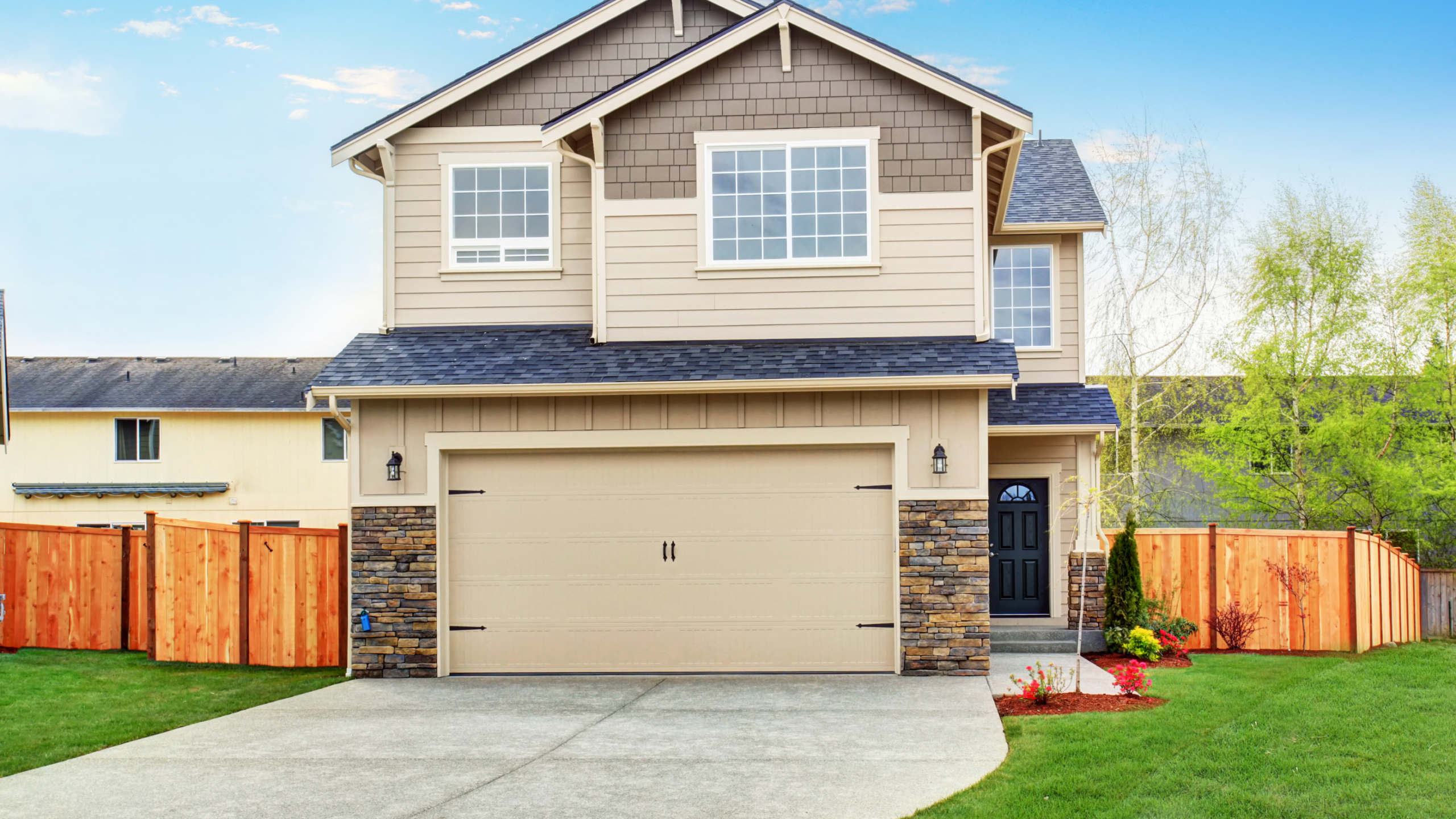
A concrete driveway is one of the most important exterior features of a property. It handles daily vehicle traffic, supports heavy loads, and contributes to the overall appearance of the home. When installed correctly, it performs consistently for decades. When installation details are overlooked, issues like cracking, drainage problems, or early surface wear can develop.
This guide covers what homeowners and property owners need to know before starting a project, including cost expectations, installation factors, design options, and long-term performance.
What to Consider Before Installing a Concrete Driveway
Every property is different. The success of a concrete driveway depends heavily on site conditions, preparation, and layout.
Soil Conditions and Base Preparation
The stability of the soil beneath the driveway directly affects performance. Soft, expansive, or poorly compacted soil can lead to movement and cracking over time.
A proper installation includes:
- Excavation to remove unstable soil
- A compacted gravel base to support the slab
- Proper grading to manage water runoff
Skipping or rushing this step is one of the most common causes of early failure.
Drainage and Water Management
Water is one of the biggest threats to concrete. Without proper drainage, water can:
- Undermine the base
- Cause erosion beneath the slab
- Lead to cracking during freeze and thaw cycles
Driveways should be designed with a slight slope to direct water away from the home and prevent pooling.
Driveway Layout and Usage
The size and layout of the driveway should match how the space will be used. A single-car driveway has different requirements than a wider driveway used for multiple vehicles, trailers, or heavier loads.
Consider:
- Turning space
- Parking needs
- Access points
- Connection to sidewalks or garages
A well-planned layout improves both functionality and long-term performance.
Concrete Driveway Installation Process
Understanding the installation process helps homeowners recognize the difference between a thorough job and a rushed one.
Step 1: Site Preparation
The area is excavated to the correct depth, and a compacted gravel base is installed. This creates a stable foundation for the concrete.
Step 2: Forming and Reinforcement
Forms are set to define the shape and edges of the driveway. Reinforcement, such as rebar or wire mesh, is added to improve strength and reduce cracking.
Step 3: Pouring and Finishing
Concrete is poured, leveled, and finished to achieve the desired surface texture. Control joints are added to guide cracking and help maintain a clean appearance.
Step 4: Curing
Curing allows the concrete to gain strength. This stage is critical. Proper curing helps prevent surface defects and improves durability.
Step 5: Sealing (Optional but Recommended)
Sealing protects the surface from moisture, stains, and wear. It also helps maintain the appearance of decorative finishes.
For homeowners looking for a professional installation, working with an experienced contractor for concrete driveway installation ensures each step is handled correctly from start to finish.
Concrete Driveway Cost in 2026
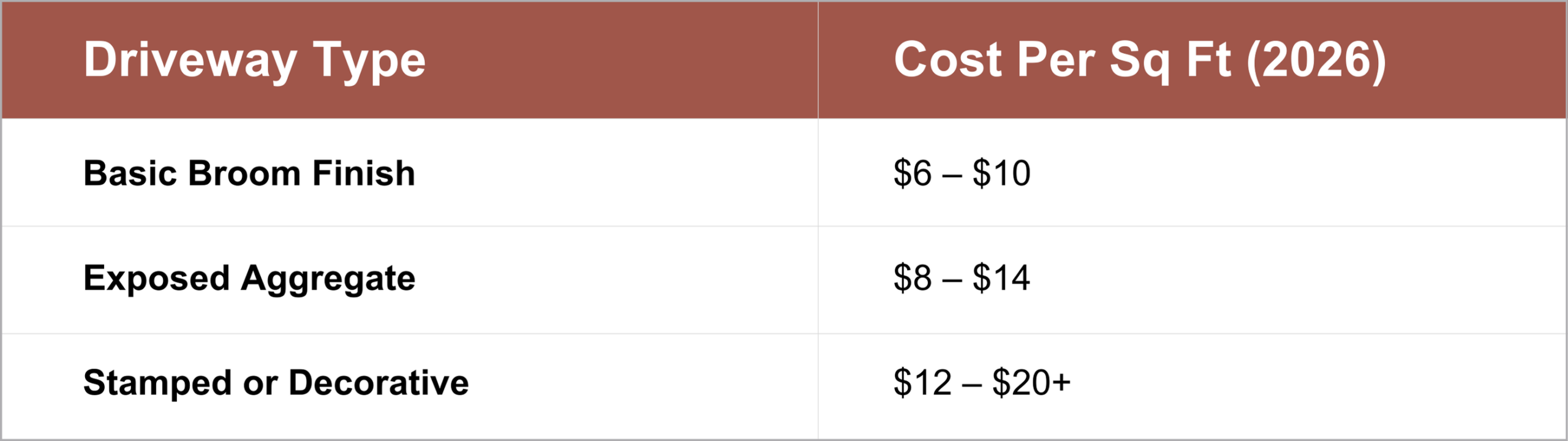
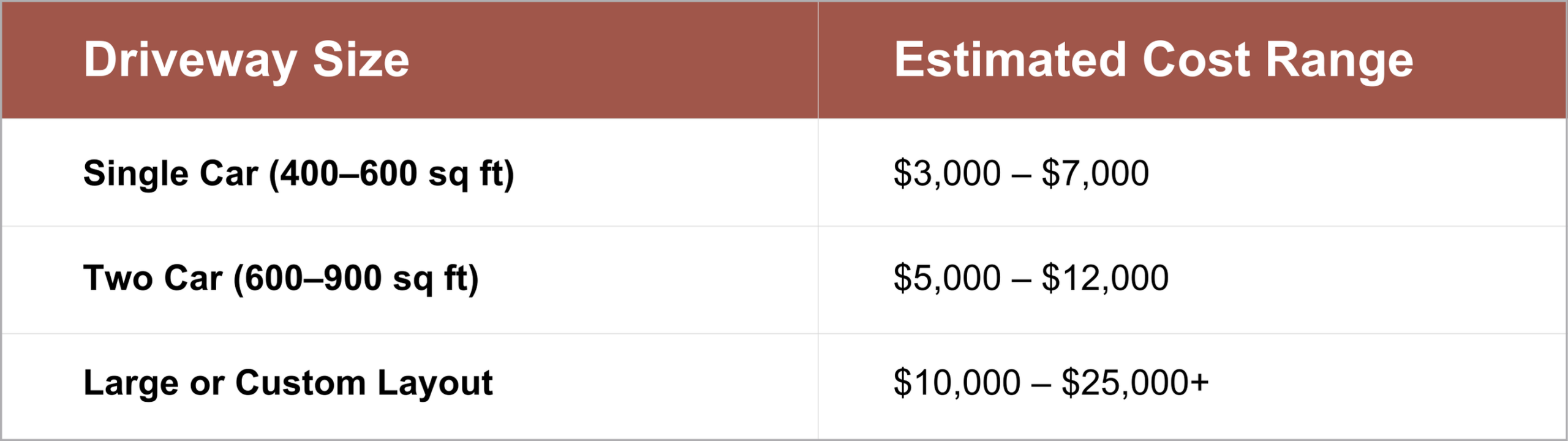
Concrete driveway costs vary based on size, site conditions, design, and finish. While pricing differs by region, the ranges below reflect common residential projects.
Average Cost Per Square Foot
Typical Total Project Cost
What Affects the Cost
Several factors influence pricing:
- Excavation requirements
- Thickness of the slab
- Reinforcement materials
- Decorative finishes
- Accessibility of the site
- Drainage solutions
A property with grading challenges or limited access may require additional preparation, which can increase overall cost.
Concrete Driveway Thickness and Specifications
Thickness is one of the most important factors in durability. A driveway that is too thin may crack under normal use.
Recommended Thickness Guidelines
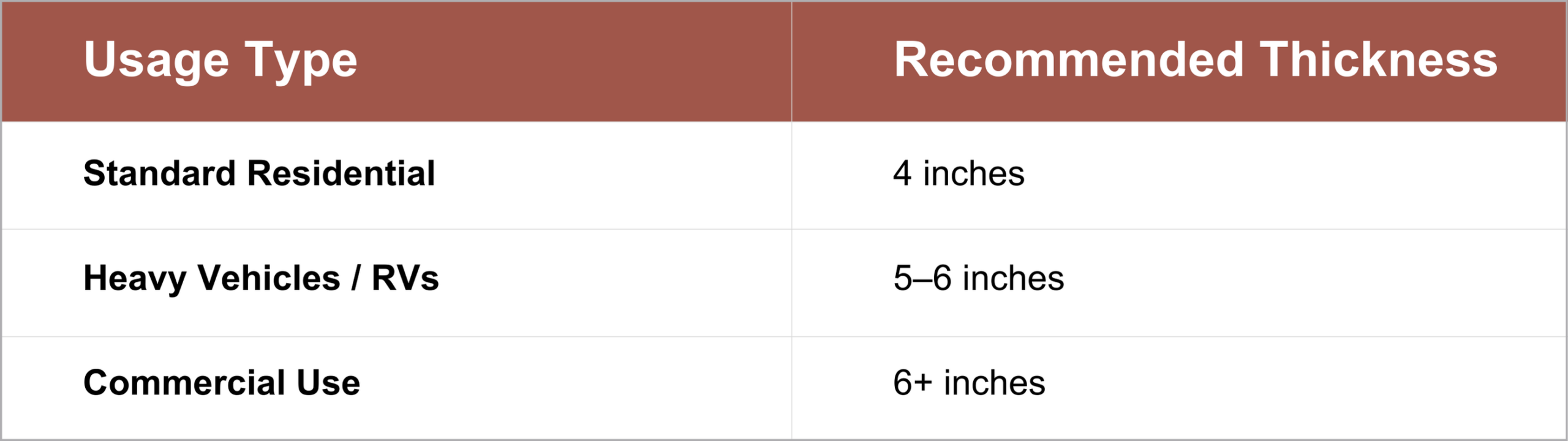
In addition to thickness, reinforcement and base preparation play a major role in how well the driveway performs over time.
Design Options for Concrete Driveways
Concrete offers a wide range of design possibilities beyond a standard gray finish. The right design can improve the overall look of the property while maintaining durability.
Broom Finish
This is the most common option. It provides a clean appearance with a slip-resistant texture. It is also the most cost-effective.
Exposed Aggregate
This finish reveals the natural stone within the concrete, creating a textured and decorative surface. It offers a balance between appearance and durability.
Stamped Concrete
Stamped concrete mimics the look of stone, brick, or tile. It is often used for homeowners who want a more customized appearance.
For properties that include patios or walkways, combining driveway work with stamped concrete services can create a more cohesive outdoor design.
Colored Concrete
Color can be added to the concrete mix or applied to the surface. This allows the driveway to complement the home’s exterior.
Concrete vs Asphalt Driveways
Choosing between concrete and asphalt depends on priorities such as cost, maintenance, and appearance.
Key Differences
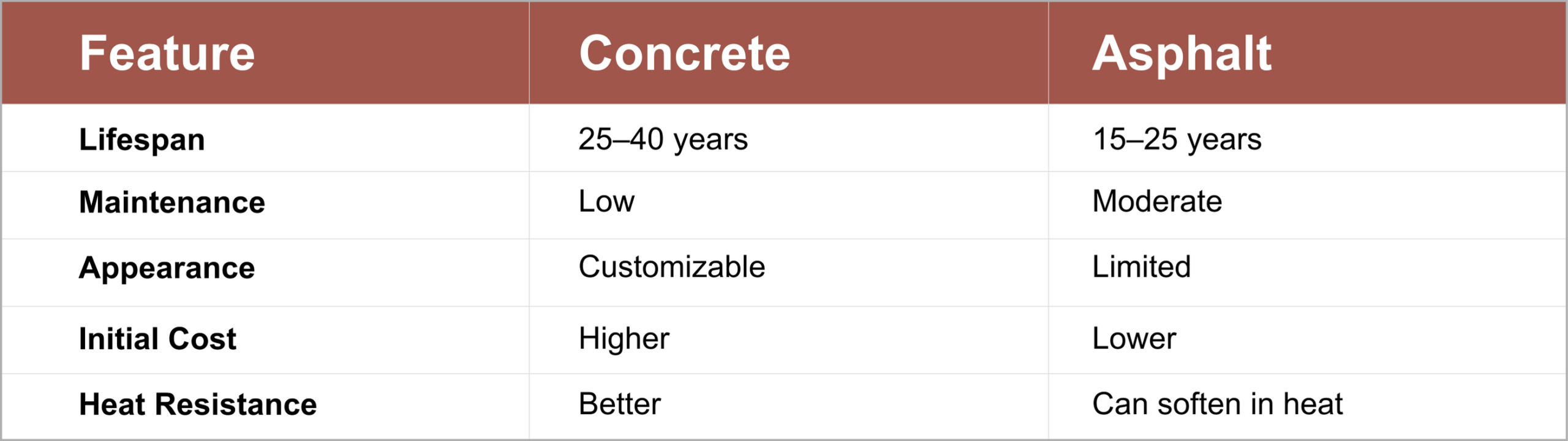
Concrete typically offers longer lifespan and more design flexibility, while asphalt may have a lower upfront cost.
How Long Do Concrete Driveways Last?
A properly installed concrete driveway can last 25 to 40 years or more. Longevity depends on:
- Quality of installation
- Soil and base conditions
- Climate
- Maintenance practices
Regular maintenance helps extend the lifespan and preserve the appearance.
Common Concrete Driveway Problems
Even well-installed driveways can develop issues over time. Understanding common problems helps homeowners address them early.
Cracking
Cracks can occur due to:
- Soil movement
- Improper joint placement
- Heavy loads
- Temperature changes
Small cracks are normal, but larger or widening cracks may require repair.
Surface Scaling
This occurs when the surface begins to flake or peel. It is often caused by:
- Poor finishing techniques
- Freeze-thaw cycles
- Use of de-icing chemicals
Drainage Issues
Improper slope or grading can lead to standing water, which affects both performance and appearance.
When issues develop, addressing them early with concrete repair services can prevent more extensive damage and higher costs later.
Concrete Driveway Maintenance
Concrete does not require constant maintenance, but a few key steps can help preserve its condition.
Recommended Maintenance
- Clean the surface regularly to remove dirt and debris
- Seal the driveway every few years if applicable
- Avoid using harsh de-icing chemicals
- Address cracks early before they expand
Maintenance is simple compared to other materials, but it plays an important role in long-term performance.
Concrete Resurfacing vs Replacement
When a driveway shows signs of wear, homeowners often consider whether to repair or replace it.
Resurfacing
Resurfacing involves applying a new layer over the existing concrete. It works best when:
- The base is still stable
- Damage is mostly surface-level
Replacement
Replacement is necessary when:
- There is significant cracking
- The base has failed
- Drainage issues cannot be corrected with repairs
Understanding the condition of the existing driveway helps determine the most practical solution.
Choosing the Right Contractor for Your Project
The quality of the contractor has a direct impact on the final result. A well-installed driveway depends on proper preparation, materials, and execution.
When evaluating contractors, consider:
- Experience with similar projects
- Approach to site preparation
- Use of reinforcement
- Clear explanation of process and timeline
A contractor should be able to explain how they handle base preparation, drainage, and finishing, not just provide a price.
Planning Your Concrete Driveway Project
If you are considering a new driveway or replacing an existing one, it helps to start with a clear understanding of your property conditions and goals.
Top Tier Construction works with homeowners and property owners to plan and install driveways that are properly prepared, correctly installed, and aligned with how the space will be used.
If you are ready to move forward, or simply want to understand your options and pricing, reaching out to Top Tier Construction for concrete driveway installation is a practical next step. Their team can review your property, explain the process clearly, and provide a straightforward estimate based on your project.